Architectural Acoustics
In modern building design, the acoustic environment directly affects productivity, quality of life, and overall well-being.
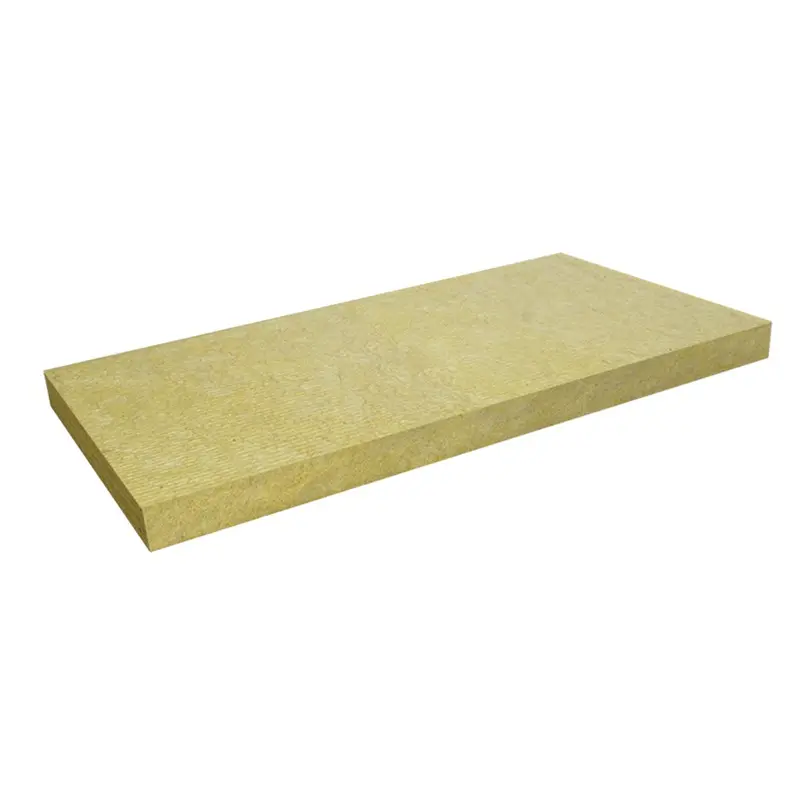
With its excellent sound absorption performance, rock wool has become an essential material in architectural acoustics, creating optimal acoustic conditions for a wide variety of spaces.
Architectural Acoustics: The “Sound Experience Designer” of Buildings”
1. Application Overview
In architectural acoustic design, rock wool is widely used in walls, ceilings, floors, and other building components.
Its porous fibrous structure effectively absorbs sound energy, controls reverberation time, reduces noise interference, and enhances the overall acoustic quality of the space.
2. Acoustic Functions of ABM® Rock Wool
Sound Absorption & Noise Reduction: Effectively absorbs mid- and low-frequency noise, reducing sound reflections.
Sound Insulation Enhancement: Fills acoustic structures, significantly improving component sound insulation.
Reverberation Control: Regulates indoor reverberation time to optimize the acoustic environment.
Uniform Sound Field: Improves sound distribution and eliminates acoustic defects.
3. Key Acoustic Advantages of ABM® Rock Wool